A Homeowner’s Septic Services Maintenance Calendar


A septic system is easy to ignore when it is doing its job well. That is part of the problem. Unlike a furnace that clicks on, or a roof you can inspect from the yard, a septic system works underground and out of sight. Many homeowners give it attention only when a drain slows, the lawn turns soggy, or a smell drifts across the backyard. By that point, the repair bill is often larger, the fix more disruptive, and the stress level much higher than it needed to be.
A better approach is to treat septic care like any other home maintenance routine. A simple calendar, adjusted for your household size, tank capacity, and local climate, helps you stay ahead of clogs, backups, drain field damage, and premature system failure. Good septic services are not just about pumping on schedule. They include inspections, practical habits inside the house, drainage management outside, and quick action when the system starts giving early warnings.
Homeowners sometimes assume every septic system follows the same rules. In practice, there is a lot of variation. A two-person household in a dry climate puts different pressure on a system than a family of six with frequent guests, high laundry volume, and a large irrigated yard. Older systems can be more vulnerable to root intrusion, baffle wear, and compacted drain fields. Newer systems may include pumps, alarms, filters, or aerobic components that need more regular professional attention. That is why a maintenance calendar works best when it is practical rather than rigid.
What your septic system is actually managing
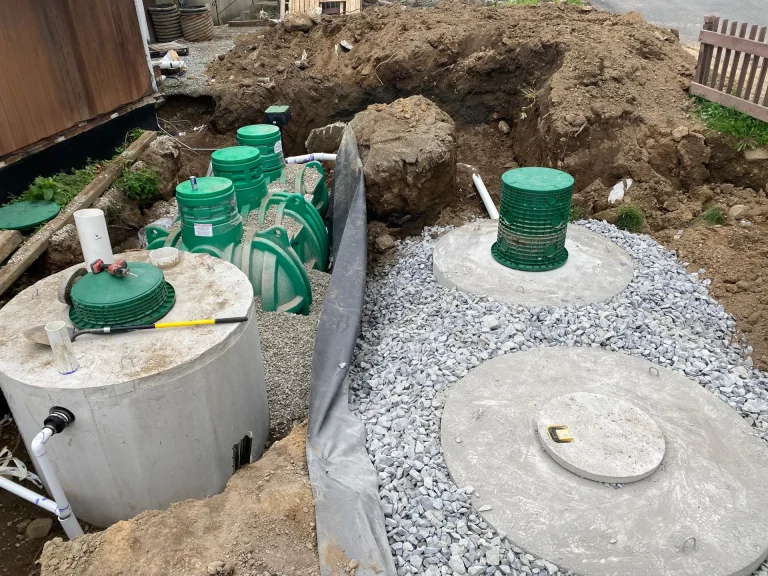
At its simplest, a conventional septic system separates solids from wastewater in the tank, then sends clarified effluent into the drain field, where soil finishes the treatment process. That sounds straightforward, but it depends on balance. Solids must stay in the tank long enough to settle. Grease and scum must not overwhelm the top layer. Effluent must flow to the drain field at a pace the soil can absorb. The bacteria inside the tank need the right environment to break down waste. Every poor habit in the house, from flushing wipes to running six back-to-back loads of laundry, chips away at that balance.
This is where homeowners benefit from thinking in terms of steady stewardship rather than occasional rescue. Septic services should support the whole system over time. Pumping removes accumulated solids, but it does not repair a failing drain field. An inspection can reveal a cracked lid, a damaged tee, or a filter that needs cleaning before any of those issues trigger a backup. Routine attention also helps preserve records, which matters more than people expect. If you ever sell the property, a documented maintenance history reassures buyers and can speed up the transaction.
The rhythm of a year matters
Septic care is seasonal, even if the tank itself sits below grade and seems insulated from weather. Spring brings snowmelt, heavy rain, and soft ground. Summer often means visitors, extra laundry, and outdoor projects that can compact soil or disrupt access. Fall is a smart time to prepare for freezing temperatures and holiday houseguests. Winter limits digging and emergency access in many regions, which makes prevention more valuable.
A yearly calendar helps because it ties the invisible system to visible routines. People remember to service HVAC equipment before heating season because there is an obvious trigger. Septic systems need the same kind of trigger. Once you connect seasonal household habits to septic load and risk, maintenance starts to make sense in a practical way.
A workable septic maintenance calendar for most homes
The calendar below is not a legal standard or a substitute for local code requirements. Think of it as a homeowner’s operating rhythm, one that you can refine with input from a trusted septic services provider who knows your system type and soil conditions.
- Spring: Walk the drain field after heavy rain or thaw. Look for standing water, unusually green patches, odors, or spongy soil. Check that roof gutters, sump discharge, and surface runoff are not draining toward the septic area.
- Summer: Be mindful of high water use from guests, kids home from school, extra showers, and laundry. Keep vehicles, sheds, pools, and heavy equipment off the tank and drain field. If trees or shrubs are maturing nearby, ask about root risk.
- Fall: Schedule pumping or inspection before winter if you are due. Locate and mark access lids if snow cover is common where you live. Review what should never go down the drain before holiday cooking and gatherings increase system load.
- Winter: Spread water use through the week instead of doing everything in one day. Fix leaks quickly, especially running toilets. If your system uses a pump, alarm, or aerobic components, respond fast to alerts because frozen ground can complicate delayed repairs.
Most households do well with this cadence because it matches the moments when septic stress tends to rise. The exact timing can shift. In a mild climate, winter access may be less of an issue. In a lake community with heavy summer occupancy, midsummer may be the most important check-in of the year.
Monthly habits that prevent expensive problems
Some of the best septic maintenance looks almost trivial. That is what makes it easy to neglect. A homeowner who never inspects for leaks, never notices a running toilet, and never thinks about detergent volume can send hundreds of extra gallons into the system every week. Over time, that hydraulic overload is hard on both the tank and the drain field.
Once a month, take five minutes to pay attention to your plumbing as a system rather than as isolated fixtures. Listen for toilets that continue to refill long after flushing. Check under sinks for drips. Notice whether one drain is slow or several are slowing at once. One slow sink may be a local clog. Several sluggish fixtures, especially with gurgling, can point to a septic problem or a main line issue.
Monthly awareness also helps with water use patterns. A lot of families still do all the laundry on Saturday, then run the dishwasher multiple times, then host a cookout or fill a tub for the kids. That kind of surge can stress a septic system, especially a smaller one. It is usually better to spread high-water activities across the week. The change is simple, but the effect is real.
Inside the home, waste discipline matters as much as water volume. Homeowners are often told, “If it says flushable, don’t trust it,” and that advice has held up well in the field. Wipes, paper towels, feminine hygiene products, cotton swabs, dental floss, and grease do not belong in a septic system. The same goes for large doses of harsh chemicals, paint residues, or medications. A septic tank is not a trash can, and it is not built to process everything modern packaging claims it can handle.
Pumping is essential, but timing is not one-size-fits-all
One of the most common questions homeowners ask is how often the tank should be pumped. The honest answer is that it depends. Tank size, household occupancy, garbage disposal use, water habits, and system age all matter. A frequently cited range is every three to five years for many homes, but that broad rule can mislead people at both ends. A lightly used vacation home may go longer between pump-outs. A busy household with a smaller tank may need service sooner.
The safest way to time pumping is to pair a regular inspection interval with a provider’s judgment about sludge and scum levels. Experienced septic services technicians can tell whether the tank is accumulating solids faster than expected, whether baffles are intact, whether an effluent filter needs cleaning, and whether there are early signs of trouble in the line to the drain field. That kind of visit is more valuable than treating pumping like a blind calendar reminder.
I have seen homeowners wait too long because “nothing seemed wrong,” only to learn that solids had migrated out of the tank and begun clogging the drain field. Once that happens, a routine pumping bill can turn into a much bigger conversation about rehabilitation or replacement. On the other hand, pumping dramatically more often than needed is not always a virtue either. It costs money and can create a false sense that the rest of the system does not need monitoring. The goal is informed timing, not guesswork.
What to watch after heavy rain, parties, or holiday weekends
Septic systems often reveal their weaknesses when the house is busier than usual or the weather has been working against them. A holiday weekend is a classic example. More guests mean more showers, more toilet flushes, more cooking, and more dishwashing. If the ground is already saturated from rain, the drain field has less room to absorb effluent. A marginal system that seems fine under normal use can show symptoms quickly under those conditions.
The same pattern shows up after graduation parties, family reunions, or a stretch of bad weather in spring. That does not always mean the system is failing, but it does mean you should pay attention. If you see ponding over the drain field, smell sewage outdoors, or hear persistent gurgling inside, do not dismiss it as a temporary nuisance. Temporary stress can expose a permanent weakness.
One homeowner I spoke with learned this the hard way after hosting relatives for a long summer weekend. The house had handled four people for years, but twelve guests, back-to-back showers, and nonstop laundry pushed the system over the edge. The first clue was a downstairs shower draining slowly. By the next day, there was wet ground over part of the field. The tank was overdue for pumping, but the real lesson was broader: capacity matters, and occasional surges count.
The outdoor mistakes that quietly ruin septic systems
Many septic failures begin outside, not inside. Homeowners focus on what they flush, which is important, but then park trailers over the drain field or regrade the yard without understanding the consequences. The soil around a septic system is part of the treatment process. Compacting it with vehicles, saturating it with runoff, or invading it with aggressive roots can shorten the life of the whole system.
Landscaping choices are a frequent source of trouble. Fast-growing trees and thirsty shrubs can send roots toward moisture and nutrients, exactly what a septic line offers. The risk depends on species, distance, and line condition, but the safest practice is to keep woody plants well away from the tank and field. Grass is usually the best cover because it stabilizes soil without creating root pressure.
Water management is another overlooked issue. If downspouts, sump pumps, or yard drains direct clean water toward the septic area, they can overload the soil and reduce treatment performance. Homeowners sometimes notice a soggy patch and assume the septic system is causing it, when the real culprit is roof runoff saturating the area. The reverse can happen too. A struggling drain field gets blamed on rain alone when it is actually carrying years of accumulated stress. A good technician looks at both conditions before recommending a fix.
When to call for professional septic services
There is a difference between routine homeowner attention and professional evaluation. Homeowners should observe, document, and use common sense. They should not open tanks casually, climb into excavations, or assume every problem can be solved with an additive from the hardware store. Septic gases are dangerous, tank lids can be hazardous, and poor diagnosis can waste time when a backup is already developing.
Here are the signs that justify a call sooner rather than later:
- Multiple slow drains or toilets, especially if the problem appears at the same time
- Sewage odors indoors or outside near the tank or drain field
- Wet, spongy, or unusually green areas above the drain field in dry weather
- Plumbing backups in the lowest fixtures, such as basement showers or floor drains
- High-level alarms, pump alerts, or any warning tied to an aerobic or pumped system
Good septic services https://www.flickr.com/people/204701822@N05/ providers do more than pump and leave. They ask about occupancy, recent water use, weather patterns, and whether symptoms are new or recurring. They know the difference between a tank that needs attention and a drain field that is no longer accepting effluent properly. They also understand local permitting, which becomes important if repairs go beyond routine maintenance.
Recordkeeping is more useful than most homeowners realize
A septic file is one of the most practical folders you can keep for your home. It does not need to be elaborate. A sketch of the tank and drain field location, installation details if you have them, service invoices, inspection notes, and dates of pumping are enough to start. Add observations that seem small at the time, such as a wet spot after a storm or an alarm that reset after service. Patterns emerge faster when you can compare one year to the next.
This matters because septic troubleshooting often relies on context. A technician who knows the tank was pumped last fall, the filter cleaned in spring, and the family added two long-term residents this summer can make sharper judgments than one arriving with no history. It also helps you avoid unnecessary work. If a seller told you the tank was pumped “not that long ago,” your records can confirm whether that means two years or seven.
There is also a resale benefit. Buyers get nervous about buried systems they cannot see. A home with orderly maintenance records, documented septic services, and clear system locations feels lower-risk than one with vague assurances and missing paperwork. Even if your local market is strong, transparency tends to reduce haggling and surprise.
Special cases homeowners should not ignore
Not every property fits the standard suburban picture. Some have high groundwater, shallow bedrock, steep slopes, or seasonal occupancy. Some rely on pumps to move effluent uphill. Others use aerobic treatment units that need power, maintenance, and periodic component checks. If your system includes mechanical parts, your calendar should be tighter. An ignored pump or alarm can turn a manageable service call into an indoor backup.
Garbage disposals are another special case worth mentioning. They are convenient, but they can increase solids in the tank and shorten the time between pump-outs. That does not mean every household must avoid them. It means you should factor their use into your service schedule. The same goes for hot tubs, large soaking tubs, and high-volume fixtures. They can be compatible with septic systems, but they change the water-load math.
Vacation homes create a different challenge. Long periods of low use do not automatically mean trouble, but systems on seasonal properties can go unnoticed when a problem starts. Before opening for the season, it is worth checking for odors, wet spots, slow drains, and any damage from roots, frost movement, or off-season vehicle traffic. A house that sat empty all winter can still greet you with a septic issue in May.
The value of prevention compared with repair
Septic maintenance has a quiet kind of payoff. You spend a modest amount on inspections and pumping, make a few disciplined choices inside the house, protect the drain field outside, and nothing dramatic happens. That can feel underwhelming, especially compared with visible upgrades like a new patio or remodeled kitchen. Yet the financial difference between prevention and neglect is hard to overstate.
Routine pumping and inspection are predictable expenses. Emergency pumping on a holiday weekend is not. Replacing a broken baffle or cleaning a filter is manageable. Rehabilitating or replacing a failed drain field can be one of the larger property expenses a homeowner faces, and in some lots it is not simple. Soil conditions, setbacks, permits, and available space can all complicate the project. The less often you force that conversation, the better.
A sound maintenance calendar does not guarantee perfection. Septic systems age. Weather shifts. Households grow. Components fail. But planned care gives the system its best chance to last, and it gives you time to make decisions before sewage makes them for you.
A calendar that fits real life
The best maintenance calendar is the one you will actually follow. Put seasonal reminders on the same calendar you use for HVAC filters, smoke alarm batteries, and gutter cleaning. Tie pumping and inspections to a month that makes sense for your climate. If winters are harsh, avoid waiting until frozen ground makes access difficult. If summer brings houseguests and heavy water use, schedule service before the season starts.
Keep the plan simple enough to remember and specific enough to matter. Watch the yard in spring. Respect water use in summer. Service the system in fall if you are due. Stay alert to leaks and alarms in winter. Document what gets done. Build a relationship with a reputable septic services provider before you need an emergency call. When homeowners do those few things consistently, septic systems tend to reward them with what everyone wants from buried infrastructure: years of dependable silence.
Excavating New Jersey LLC
Address: 406 County Rd 565, Wantage, NJ 07461
Phone number: +19737914284
FAQ About Septic Services
What is the average cost to get a septic tank emptied?
Emptying a septic tank costs between $290 and $560 on average, with most homeowners paying about $420. Prices vary based on tank size.
What is septic service?
Septic service inspects, pumps, cleans, and maintains a septic tank. A septic tank is a large, underground container that collects and treats wastewater from your home. Over time, sludge, scum, and other debris, like hair and solids, can build up in your tank and clog your drain field.
How often should you have a septic tank serviced?
A standard septic tank should be inspected every 1 to 3 years and pumped every 3 to 5 years. However, the exact schedule depends on your tank's capacity, household size, and daily water usage.